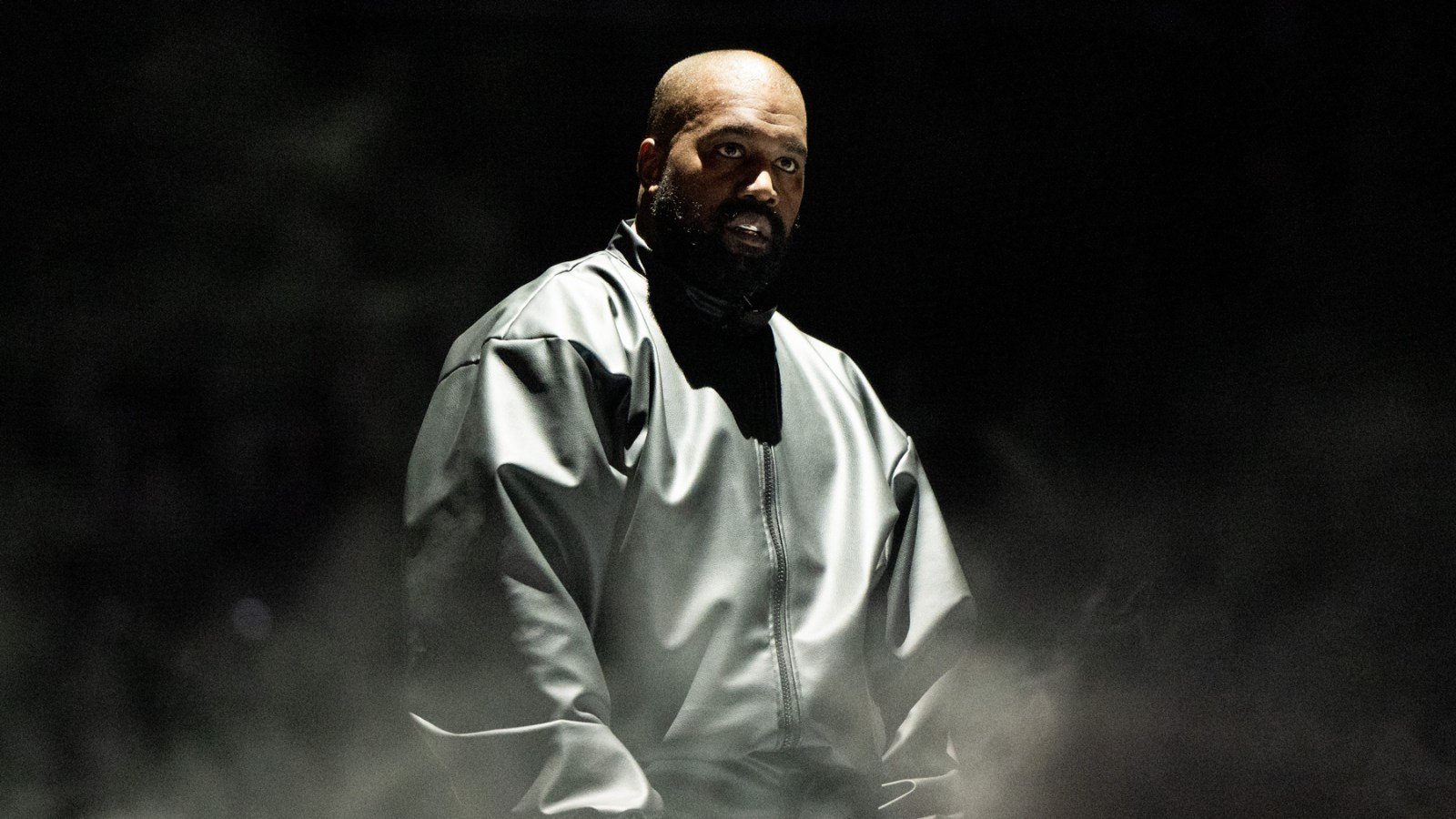
Kanye Wireless: London Mayor's Office on Controversial Return
The electrifying anticipation surrounding Kanye West’s (now legally known as Ye) long-awaited return to the UK stage at Wireless Festival has been undeniably overshadowed by a fierce wave of controversy. As music enthusiasts gear up for what promises to be an extraordinary three-night journey through Ye's iconic discography, the broader public and official bodies are grappling with the complexities of welcoming back an artist whose recent past is stained with deeply offensive remarks. This high-profile booking at Finsbury Park has ignited a significant debate, drawing attention not only to the magnetic pull of his artistry but also to the thorny issues of accountability, redemption, and the values upheld by London itself. The situation surrounding "Kanye Wireless" is a microcosm of a larger societal discussion about where to draw the line between artistic expression and public responsibility.
The Resurfacing of a Controversial Icon: Kanye Wireless at Finsbury Park
After an absence of nearly a decade from UK stages – his last major performance being Glastonbury in 2015 – Ye is slated to headline all three nights of Wireless Festival from July 10-12. Festival organizers have boldly proclaimed that "Ye's UK comeback will be an extraordinary chapter in Wireless's story," hinting at the immense cultural and commercial weight attributed to his presence. Fans can expect a comprehensive musical retrospective, with the setlist anticipated to span his illustrious career, from his groundbreaking 2004 debut *The College Dropout* to later acclaimed works such as 2007's *Graduation* and 2016's *The Life of Pablo*. This monumental return also closely follows the release of his twelfth studio album, *Bully*, marking his first LP in four years, which adds another layer of artistic relevance to his appearance.
However, the excitement is inextricably linked to the significant backlash accompanying the announcement. The booking has forced both festival-goers and industry stakeholders to confront the artist's history head-on. Wireless Festival, a cornerstone of London's summer music scene, finds itself in the unique position of hosting one of the most celebrated yet contentious figures in contemporary music. This scenario invariably sparks conversations about the responsibilities of cultural institutions and the messages they implicitly endorse through their programming choices. The debate around
Ye's UK Comeback: Wireless Festival Faces Backlash is a critical one for the music industry.
London Mayor's Office Responds: A Stance on Values, Not Control
Amidst the swirling controversy, the London Mayor’s office has weighed in, articulating a clear stance on the matter without directly intervening in the festival’s booking decisions. A spokesperson for Mayor Sadiq Khan conveyed to Rolling Stone that, "We are clear that the past comments and actions of this artist are offensive and wrong, and are simply not reflective of London’s values." This statement meticulously delineates the Mayor's position: a moral condemnation of Ye's previous conduct coupled with a crucial clarification that "This was a decision taken by the festival organizers and not one that City Hall is involved in."
This response highlights a nuanced approach from municipal leadership. While expressing profound disagreement with the artist's past rhetoric, the Mayor's office respects the operational autonomy of private event organizers. It underscores a fundamental principle in a democratic society where public officials often navigate a delicate balance between expressing public sentiment and refraining from overreaching into private commercial enterprises. However, the unequivocal nature of the statement serves as a powerful reminder of London's commitment to inclusivity and its rejection of discriminatory viewpoints, implicitly encouraging all events within its bounds to align with these core values. The Mayor’s office, in essence, champions London’s identity as a diverse and welcoming city, distancing itself from views that contradict this ethos.
The Weight of Past Actions: Antisemitism and Public Apologies
At the heart of the "Kanye Wireless" controversy lies Ye's extensive history of antisemitic remarks and actions, which have deeply alienated many and provoked widespread condemnation globally. His public statements, including proclaiming himself a Nazi and releasing a song glorifying Adolf Hitler in 2025, led to severe repercussions, such as the termination of his lucrative partnership with sportswear giant Adidas in 2022 and being blocked from entering Australia. These incidents, among others, sparked an uproar that transcends the music world, touching on profound societal sensitivities and historical trauma.
In the wake of this widespread outrage, Ye has made various attempts at apology and explanation. He reportedly met with Rabbi Yoshiyahu Yosef Pinto, expressing regret for his past comments. More significantly, in a full-page advert in the Wall Street Journal, titled "To Those I've Hurt," he attributed his behavior to a bipolar type-1 diagnosis, stating he had "lost touch with reality" and gravitated towards "the most destructive symbol I could find, the swastika." He insisted, "I am not a Nazi or an antisemite," expressing regret for his words and actions.
However, the sincerity and efficacy of these apologies remain a contentious point for many. As Benjamin Haim-Isaac, a prominent member of the Jewish community, told BBC Newsbeat, it is "really horrific" to see someone with such a platform offered a large stage after "something so awful." The Jewish Leadership Council branded the Wireless Festival announcement "deeply irresponsible," reflecting a broad skepticism about the depth of Ye's contrition, especially given instances where he has reportedly retracted past apologies. This ongoing debate about the authenticity of his apologies and the path to genuine redemption underscores why
Wireless Festival: Kanye West's Return Ignites Debate so fiercely.
Beyond the Stage: The Broader Implications for Festivals and Artists
The "Kanye Wireless" saga extends far beyond a single artist and a single festival; it illuminates critical ethical dilemmas facing the entire entertainment industry. Festival organizers worldwide are increasingly confronted with the challenge of balancing artistic appeal and commercial viability with social responsibility and community values. When booking an artist with a controversial past, organizers must weigh the potential for a sold-out event against the risk of alienating audiences, sponsors, and even local authorities.
*
Ethical Considerations for Event Organizers:
*
Due Diligence: Thoroughly assess an artist's public persona, recent conduct, and any ongoing controversies.
*
Community Engagement: Understand the potential impact on local communities and diverse audience segments.
*
Statement of Values: Be prepared to articulate the festival's stance on inclusivity and respect, especially when controversial bookings are made.
*
Redemption Arc vs. Accountability: Consider whether an artist's attempts at apology are perceived as genuine and sufficient by affected communities.
*
Sponsor Sensitivity: Be mindful of how bookings might impact relationships with corporate sponsors, who are increasingly attuned to social responsibility.
This situation also prompts a broader reflection on "cancel culture" versus freedom of artistic expression. While some argue that artists should be free to express themselves without fear of professional repercussions, others contend that a public platform comes with an inherent responsibility, and hate speech should not be tolerated or rewarded. The Wireless Festival's decision to host Ye forces a reconsideration of the role of artists as cultural figures, influencers, and moral agents in society. It asks whether the power of their art can truly be separated from the weight of their words and actions, particularly when those actions cause profound harm.
Conclusion
The return of Kanye West to the Wireless Festival stage is undoubtedly one of the most talked-about events in London's cultural calendar, stirring a potent mix of excitement, apprehension, and moral introspection. While his musical genius is undeniable and his fan base eager, the shadow of his past antisemitic comments looms large, challenging the festival organizers, the city, and the audience to grapple with complex questions of art, ethics, and accountability. The London Mayor's office has clearly articulated London's values, signaling that while artistic freedom is respected, offensive rhetoric is not. As the dates draw nearer, the "Kanye Wireless" phenomenon will serve as a stark reminder that in an increasingly interconnected and conscious world, the stage is not just a platform for performance, but also a crucible for societal values and public discourse. The festival's unfolding narrative will undoubtedly contribute to the ongoing global conversation about how we reconcile artistic brilliance with the imperative for social responsibility.