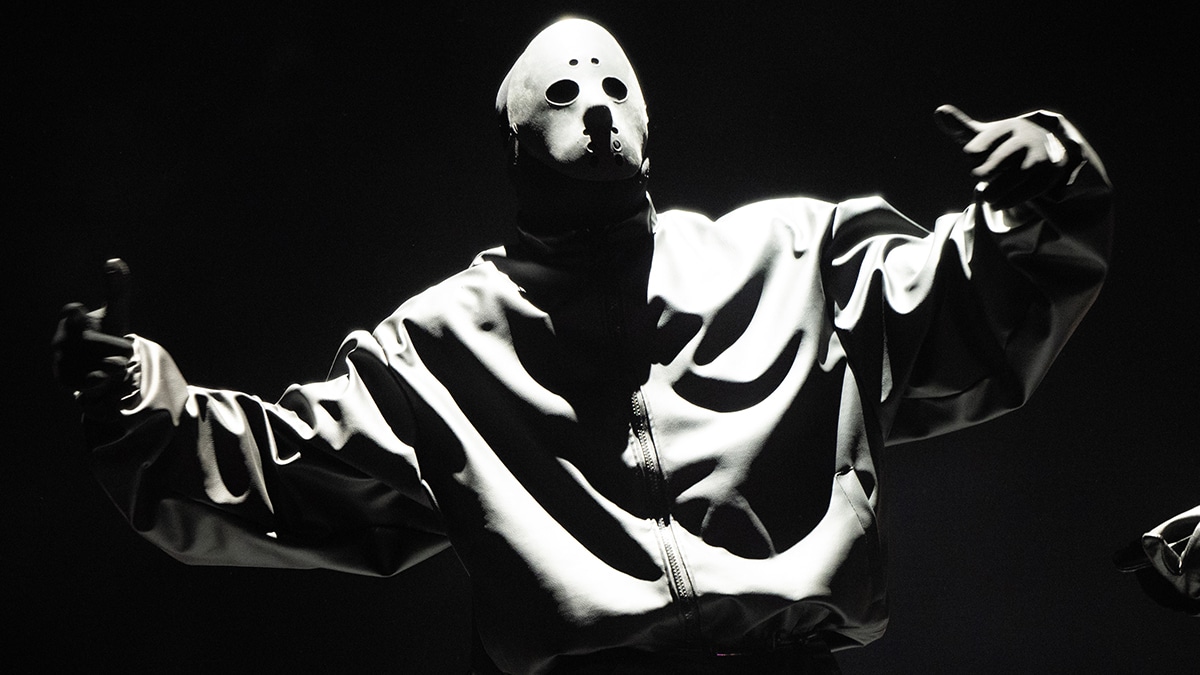
Ye's UK Comeback: Wireless Festival Faces Backlash
The highly anticipated return of Ye, formerly known as Kanye West, to the UK stage at Wireless Festival has ignited a firestorm of controversy. After an eleven-year hiatus from performing in the country, the iconic but often divisive artist is set to headline all three nights of the renowned hip-hop event in London's Finsbury Park from July 10-12. While festival organizers tout this as an "extraordinary chapter" for Wireless, the announcement has been met with significant uproar, forcing London's political leadership to distance itself and prompting widespread condemnation from Jewish community groups. This comeback isn't just about music; it's a complex intersection of artistic legacy, personal accountability, and the challenging dynamics of public forgiveness.
The news of Ye's return, coming just days after the release of his twelfth studio album, Bully, has immediately polarized public opinion. For many fans, the opportunity to witness a three-night journey through his most iconic records, from 2004's The College Dropout to 2016's The Life of Pablo, is an unmissable event. However, for a significant portion of the public, particularly within the Jewish community and beyond, the decision to offer such a prominent platform to an artist with a documented history of antisemitic outbursts is deeply troubling. The debate surrounding Wireless Festival: Kanye West's Return Ignites Debate underscores a broader societal struggle with accountability and the nuances of redemption in the public eye.
The Roots of the Backlash: Unpacking Ye's Controversial Past
The intense backlash against Ye's Wireless Festival booking is not without precedent. His recent years have been marred by a series of highly inflammatory and widely condemned antisemitic remarks. The timeline of his controversial statements and actions painted a clear picture for many:
- 2022: Ye began a string of antisemitic rants on social media and in interviews, leading to significant public outcry.
- Early 2025: He declared himself a Nazi and, in what many saw as a retraction of earlier apologies, doubled down on his hateful rhetoric.
- Later 2025: His actions escalated with the release of a song titled "Heil Hitler." This led to severe international repercussions, including being blocked from entering Australia.
The commercial consequences were swift and severe. Sportswear giant Adidas famously terminated its lucrative partnership with West in 2022, citing his antisemitic comments as "unacceptable, hateful and dangerous." For many, these actions crossed a line that even artistic genius could not excuse. Benjamin Haim-Isaac, a prominent member of the Jewish community in London, articulated the widespread pain and anger, telling BBC Newsbeat, "It has been really horrific to see someone offered such a large platform after saying something so awful." He questioned the festival organizers' support for the Jewish community, highlighting the difficulty many face in reconciling their love for Ye's music with his personal conduct.
Navigating the Apologies: Redemption or Reckoning for Kanye Wireless?
Amidst the swirling controversy, it's crucial to acknowledge Ye's recent efforts to address his past. In November of last year, he reportedly held a meeting with Rabbi Yoshiyahu Yosef Pinto, where he apologized for his antisemitic comments. This was followed in January by a full-page advert in the Wall Street Journal. Titled "To Those I've Hurt," the letter was a deeply personal reflection, detailing his bipolar type-1 diagnosis and explaining how, as a result, he had "lost touch with reality." He admitted to gravitating "towards the most destructive symbol I could find, the swastika," and selling t-shirts emblazoned with the sign. He insisted, "I am not a Nazi or an antisemite," expressing regret for his words and actions.
These apologies, while a step towards accountability, have been met with a mixed reception. For some, they represent a genuine turning point, offering a path for forgiveness and a chance for Ye to rebuild his reputation. The disclosure of his mental health struggles provides a context for understanding, though not excusing, his past behavior. However, for many, particularly within the Jewish community, the sincerity and permanence of these apologies remain deeply suspect. Ye has, in the past, retracted apologies, making it challenging for those he hurt to trust his current expressions of remorse. The concern is that offering him such a high-profile stage at Wireless Festival, despite these apologies, might inadvertently normalize or downplay the severity of his previous statements. This situation presents a complex ethical dilemma, challenging audiences and organizers alike to weigh an artist's potential for rehabilitation against the real harm caused by their actions.
London's Reaction and the Festival's Stance on Kanye Wireless
The announcement immediately put London's political figures on the spot. Mayor Sadiq Khan's office was quick to issue a statement distancing itself from the decision. A spokesperson for the Mayor told Rolling Stone, "We are clear that the past comments and actions of this artist are offensive and wrong, and are simply not reflective of London’s values." They emphasized that the booking was "a decision taken by the festival organizers and not one that City Hall is involved in." This clear separation highlights the political sensitivity surrounding the issue and the Mayor's office's desire to uphold London's reputation as a diverse and inclusive city. For more on this, you can refer to Kanye Wireless: London Mayor's Office on Controversial Return.
The Jewish Leadership Council's swift condemnation, calling the announcement "deeply irresponsible," further underscores the gravity of the situation. Their statement reflects the sentiment that providing such a significant platform to an individual with a history of propagating antisemitic views sends a dangerous message, regardless of recent apologies. Festival organizers, Wireless Festival, have largely remained silent beyond their initial promotional statement, which focused solely on Ye's musical legacy and the "extraordinary chapter" his return represents. This silence, in the face of significant public outcry, has led many to question the festival's ethical considerations and corporate social responsibility. The pressure on festival organizers to balance artistic freedom with moral accountability is immense, and their decision to proceed with Ye as headliner will undoubtedly be scrutinized for years to come.
Beyond the Headlines: The Musical Legacy and Future Implications
Despite the profound controversy, Ye's musical impact remains undeniable. His discography, from his groundbreaking debut The College Dropout through albums like Graduation and The Life of Pablo, boasts a catalogue of critically acclaimed and commercially successful hits that have shaped hip-hop and popular music for two decades. Wireless Festival attendees who choose to focus solely on the music can anticipate a comprehensive journey through this rich history, performed by an artist renowned for his captivating and often theatrical live shows.
However, the question of separating the art from the artist has rarely been more contentious. For many, Ye's personal actions have irrevocably tainted his artistic output, making it impossible to enjoy his music without acknowledging the pain and offense he has caused. For others, the music stands alone, a testament to his undeniable genius, and they believe in the possibility of redemption or simply choose to prioritize the artistic experience. This dilemma extends beyond Ye to the broader entertainment industry. Practical implications for festival organizers include a heightened awareness of vetting artists for their public conduct, not just their musical talent. It also highlights the increasing power of public opinion and social media in holding public figures accountable. Future festivals may face greater pressure to consider the ethical dimensions of their lineup choices, potentially leading to more transparent decision-making processes and a deeper engagement with community concerns.
Ultimately, Ye's UK comeback at Wireless Festival is more than just a concert series; it's a cultural flashpoint. It forces a challenging conversation about the limits of forgiveness, the responsibilities of public platforms, and the complex relationship between an artist's work and their personal morality. Whether this "extraordinary chapter" will be remembered as a triumphant return or a regrettable misstep remains to be seen, but its impact on the landscape of live music and public discourse is already undeniable.