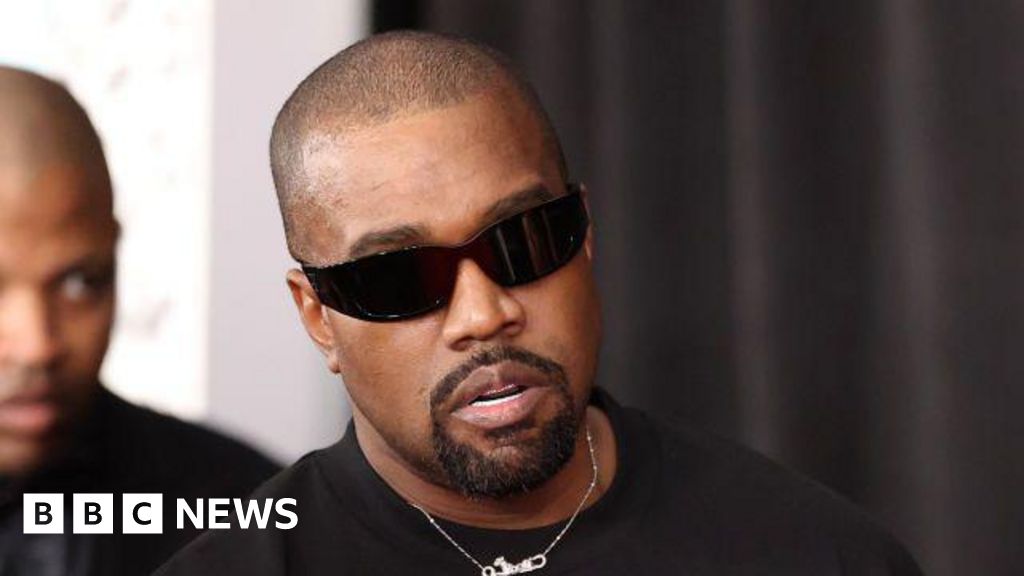
Kanye West's Wireless Festival Return: A Firestorm of Debate
The announcement sent shockwaves through the music world: Kanye Wireless. After more than a decade, the enigmatic and often controversial artist, now known as Ye, is set to headline London's Wireless Festival for three nights from July 10th to 12th at Finsbury Park. While the return of a global superstar to a major UK stage would typically be met with unbridled excitement, Ye's comeback is far from universally celebrated. Instead, it has ignited a fierce debate, pitting artistic freedom against social responsibility and forcing organizers to navigate a minefield of public opinion.
For many, the prospect of experiencing Ye's iconic discography, from his 2004 debut The College Dropout to later masterpieces like 2007's Graduation and 2016's The Life of Pablo, is an undeniable draw. Festival organizers themselves have billed his return as an "extraordinary chapter" in Wireless's history. Yet, this highly anticipated event arrives cloaked in controversy, largely due to Ye's deeply offensive past comments and actions, particularly his antisemitic outbursts that have garnered global condemnation.
The Highly Anticipated (and Contentious) Comeback
The initial reveal by Wireless Festival on Tuesday, March 31st, stating "11 years later, Ye returns to London for a three-night journey through his most iconic records," immediately triggered a significant uproar across the UK and beyond. The news was met with a mixture of anticipation from his dedicated fanbase and outright outrage from those who believe such a platform should not be afforded to an artist with his recent history. London Mayor Sadiq Khan's office quickly issued a statement, distancing City Hall from the decision: "We are clear that the past comments and actions of this artist are offensive and wrong, and are simply not reflective of London’s values. This was a decision taken by the festival organizers and not one that City Hall is involved in."
This swift response underscored the gravity of the situation. Critics, including the Jewish Leadership Council, swiftly condemned the announcement as "deeply irresponsible." The sentiment reflected a widespread concern about the implications of offering such a prominent stage to an individual whose recent rhetoric has caused immense pain and fueled division. It set the stage for a festival experience that, regardless of the musical performances, will be heavily scrutinized for its ethical dimension.
A Storm of Controversy: Unpacking Ye's Past Remarks
To understand the depth of the backlash against the Kanye Wireless announcement, one must revisit the turbulent period that preceded it. In recent years, Ye has generated widespread criticism for a series of antisemitic remarks and actions that sent shockwaves globally. These include declaring himself a Nazi, retracting previous apologies, and the release of a song glorifying Nazi leader Adolf Hitler, reportedly from 2025 – a move that led to him being blocked from entering Australia that same year. His escalating rhetoric prompted major corporate partners to sever ties, most notably sportswear giant Adidas, which ended its lucrative partnership with him in 2022, citing his antisemitism.
These were not isolated incidents but part of a concerning pattern that led many to question Ye's judgment and intentions. The impact on the Jewish community, in particular, has been profound. Singer and actor Benjamin Haim-Isaac, a prominent member of London's Jewish community, articulated this sentiment, describing it as "really horrific" to see someone offered such a large platform after saying "something so awful." He questioned whether the festival organizers truly support the Jewish community, highlighting the emotional toll such controversies take on those directly affected by hate speech.
Apologies, Albums, and Ambiguity: Ye's Path to Redemption?
Amidst the swirling controversy, Ye has made attempts to address his past. In November, he reportedly held a meeting with Rabbi Yoshiyahu Yosef Pinto, where he apologized for his antisemitic comments. Furthermore, in January, he published a full-page advert in the Wall Street Journal titled "To Those I've Hurt," offering details about his bipolar type-1 diagnosis, which he had previously dismissed. In the letter, he admitted that due to his disorder, he had "lost touch with reality" and gravitated towards "the most destructive symbol I could find, the swastika," even selling t-shirts emblazoned with it. He insisted he is "not a Nazi or an antisemite," expressing regret for his actions and words.
The timing of these public apologies and self-reflections coincided with the release of his twelfth studio album, Bully, marking his first LP in four years. While some view these actions as genuine steps towards accountability and healing, others remain skeptical. Benjamin Haim-Isaac, for instance, struggles with the sincerity of Ye's public apologies, pointing to instances where the rapper has seemingly gone back on his word in the past. This ambiguity leaves many wondering whether the apologies are truly heartfelt or strategically timed for commercial or public relations purposes, complicating the narrative around his Ye's UK Comeback: Wireless Festival Faces Backlash.
The Wider Implications: Festival Ethics and Artistic Responsibility
The debate surrounding Kanye Wireless extends far beyond Ye himself, touching upon fundamental questions of festival ethics, artistic responsibility, and the power of platforming. Event organizers face a delicate balancing act: how do they uphold principles of free expression while simultaneously ensuring a safe, inclusive, and respectful environment for all attendees and artists? The decision to book Ye, despite the clear and foreseeable backlash, highlights the complex interplay between commercial viability and moral considerations.
Practical Insight for Festival Organizers: In an increasingly interconnected and socially conscious world, transparent communication and proactive engagement with affected communities are paramount. While organizers may not foresee every controversy, having clear ethical guidelines and a robust crisis communication plan can help navigate public outcry. For attendees, especially those sensitive to the issues raised, understanding the diverse perspectives and making informed choices about participation is key. The situation underscores why the London Mayor's Office on Controversial Return felt compelled to issue a statement, demonstrating the broader societal implications of such an booking.
The Wireless Festival's choice inevitably sends a message, whether intended or not, about what is deemed acceptable on a major public stage. It challenges audiences and industry insiders alike to grapple with complex questions: Can an artist's personal controversies be separated from their art? When does accountability trump artistic freedom? And at what point does a platform become a tool for legitimizing harmful rhetoric?
Conclusion
Kanye West's return to the Wireless Festival is undoubtedly one of the most talked-about music events of the year. While the lure of his musical legacy is undeniable, the cloud of his past antisemitic remarks and the mixed reception to his subsequent apologies have transformed his UK comeback into a deeply divisive affair. As Finsbury Park prepares to host three nights of Ye's performances, the festival will not merely be a showcase of music but a focal point for an ongoing, urgent conversation about accountability, redemption, and the ethical responsibilities of those who wield influence in the public sphere. The world will be watching, not just for the spectacle, but for what this controversial return ultimately signifies.